





Abastecimiento Global de Frenos de Prensa CNC: RFQ Template + Vendor Scoring
The Triple Threat of 2026 Sourcing: Músculo, Cerebros, y Nervios
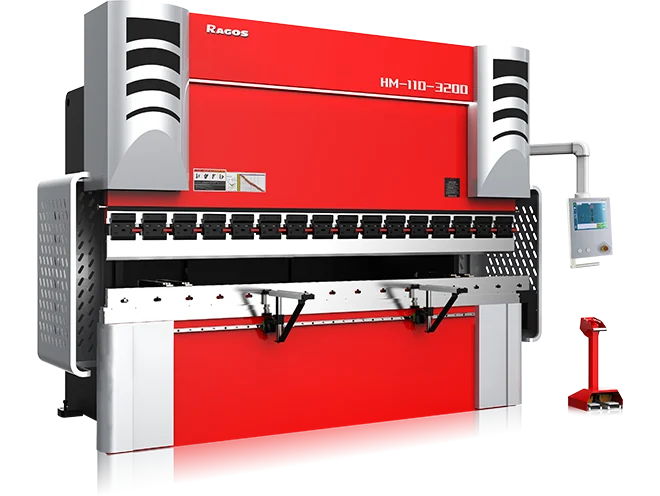
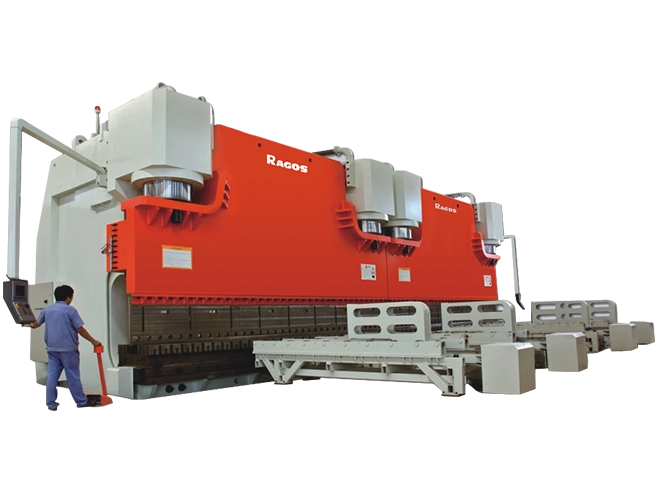
Abastecimiento global de frenos de prensa CNC requiere una evaluación equilibrada de la rigidez estructural, Inteligencia del sistema de control, y la respuesta hidráulica. En JS RAGOS, los categorizamos como "Músculo" (El marco), "Cerebros" (el controlador CNC), y "Nervios" (las válvulas y escalas hidráulicas). Seleccionar un proveedor que armonice estos tres elementos garantiza una precisión a largo plazo y menores costes de mantenimiento.
En nuestra década de fabricación en nuestra base de Jiangsu, Hemos comprobado que muchos compradores se centran únicamente en el "Precio de pegatina" de una máquina sin auditar la arquitectura subyacente. To succeed in 2026, Tu estrategia de aprovisionamiento debe ir más allá de las especificaciones genéricas y centrarse en la integración de componentes de nivel 1 en marcos de alta rigidez.
| Categoría de componentes | Estándar Global Preferido | Por qué importa en 2026 |
| Controlador CNC | En parte (DA-66T / DA-53Tx) | Simulación gráfica líder en la industria y conectividad IoT. |
| Sistema hidráulico | Rexroth / Hoerbiger | Control de precisión en lazo cerrado y respuesta en alta frecuencia. |
| Escalas lineales | Givi Misura / Heidenhain | Crítico para la sincronización en los ejes Y1/Y2 dentro de micras. |
| Eléctricos | Schneider / ABB | Facilidad de sustitución local y cumplimiento global de la seguridad. |
¿Cómo consigo un proveedor global de frenos de prensa CNC?
Puntuación de proveedores para frenos de presión CNC utiliza una matriz ponderada: 40% de capacidad técnica (Peso del bastidor, Marcas componentes), 30% de soporte postventa (Disponibilidad de técnicos), 20% de estabilidad financiera (Propiedad de la fábrica), y 10% Logística. En JS RAGOS, recomendamos priorizar a los fabricantes que utilicen electrónica europea estandarizada para facilitar el mantenimiento local y la adquisición de piezas.
En nuestra experiencia en nuestras instalaciones de Motou Town, el "Peso" de una máquina es la única especificación que no miente. A 100-ton machine from one vendor might weigh 6,000kilos, while another weighs 4,500kg. La máquina más ligera sufrirá de mayores "Yuaw" o deflexión bajo carga, lo que lleva a ángulos inconsistentes. Siempre aconsejamos a nuestros clientes que soliciten el peso neto del cuerpo de la máquina—no el peso de envío—como señal principal para las normas de ingeniería del fabricante.
¿Qué debería incluirse en una RFQ de freno de presión CNC?
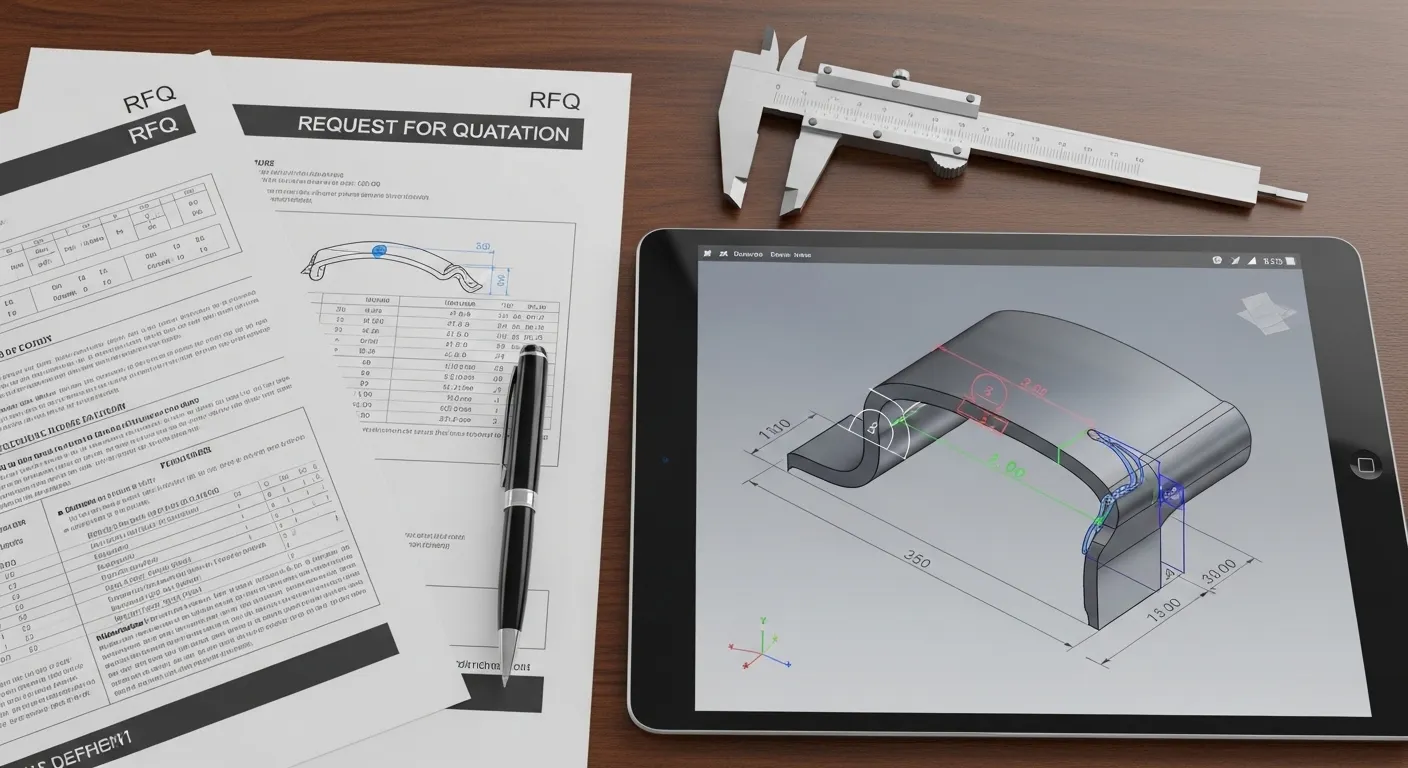
Un RFQ comprensiva debe incluir: Archivos 3D STEP para la complejidad de las piezas, Resistencia a la tracción del material, Tolerancia de ángulo requerida (P ej.., ±0,5°), y Expectativas del ciclo de servicio. Específicamente, Te sugerimos que solicites la marca específica de escalas lineales y válvulas hidráulicas para asegurar la integración de componentes de nivel 1, Como se detalla en nuestro Lista de comprobación para comprar frenos de prensa CNC.
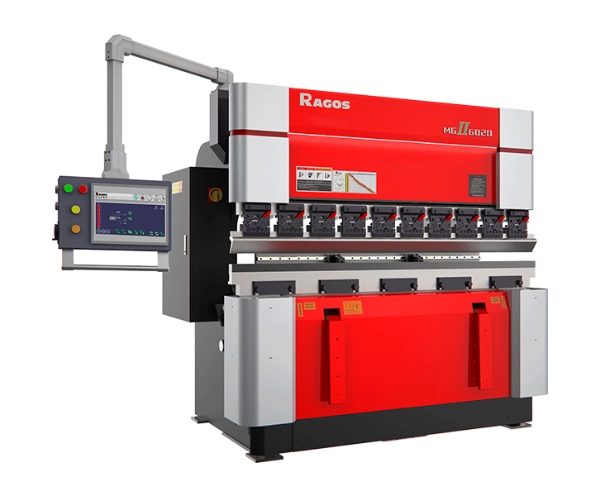
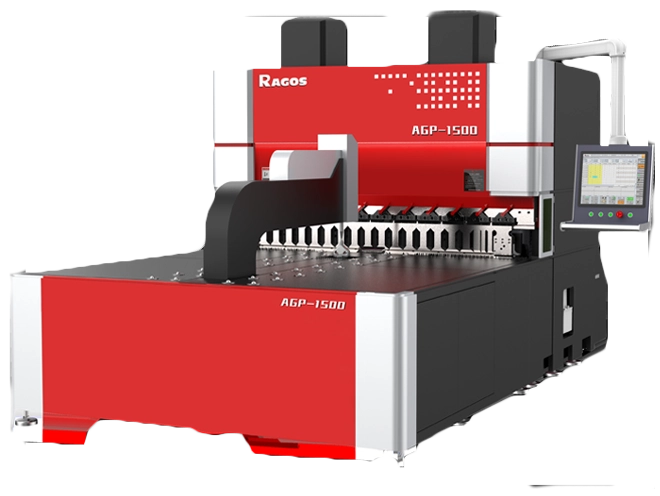
Al redactar tu RFQ, Sé muy específico con tus necesidades de automatización. Como hemos visto con nuestro Freno de presión CNC automático Soluciones, Añadir un retromanómetro de 6 ejes o una celda de flexión robótica más adelante es significativamente más caro que especificar la "Lista para la expansión" Controlador (como el Delem DA-66T) En la cita inicial.
- Especificaciones de materiales: Grosor máximo y máxima resistencia a la tracción (N/mm²).
- Requisitos de precisión: Tolerancia y repetibilidad del ángulo del objetivo.
- Nivel de controlador: 2D vs. 3D visualization and touch-screen size.
- Cumplimiento de la seguridad: ESE, OSHA, o requisitos de protección específicos de la CSA (P ej.., DSP/Lazersafe).
- Preparación para el futuro: Solicitar detalles sobre Utillaje & Automatización Compatibilidad.
¿Es mejor conseguir frenos de presión en China o Turquía??
Fuentes de China ofrece lo mejor Relación coste-tonelaje, lo que lo hace ideal para máquinas estándar 100T–300T. Turquía sirve como punto intermedio, con tiempos de entrega más cortos hacia Europa y construcciones más robustas. JS RAGOS Cubre esta brecha combinando la eficiencia manufacturera china con la hidráulica alemana Rexroth y los controles Delem holandeses, proporcionando un alto retorno de inversión "Globalizado" máquina.
Para una Taller Pequeño, La decisión suele depender de la red de apoyo. En nuestra década de exportaciones globales, hemos comprobado que el "Estrategia Frankenstein"—un chasis chino de alta calidad equipado con un chasis de clase mundial "Cerebros" (Delem/Cybelec) y "Nervios" (Rexroth)—supera a las máquinas europeas de gama inferior tanto en coste inicial como en fiabilidad a largo plazo.
La Tarjeta de Puntuación Ponderada de Proveedores JS RAGOS
Utiliza esta tabla para evaluar a tus posibles proveedores. A total score below 70 is a significant risk for long-term production.
| Criterio de evaluación | Peso | Indicador de Puntuación Alta | Bandera de Rojo |
| Marcas componentes | 25% | En parte, Rexroth, Sastre | "Nombre de la marca" o partes chinas sin marca |
| Rigidez del bastidor | 20% | Peso neto elevado; Acero aliviado por tensión | Falta de voluntad para proporcionar peso de cuadro |
| R&D Inversión | 15% | 10%+ revenue reinvested; Vínculos universitarios | Sin modelos nuevos ni patentes en 3 años |
| Control Software | 20% | Incluye software 2D/3D offline | Programación solo con controlador (No fuera de línea) |
| Certificaciones | 20% | ISO 9001; ESE; Estudios de caso reales | Certificados de photshop; No hay prueba en vídeo |
Preguntas frecuentes
El error más común es ignorar el "Coste de tierras." Los compradores suelen centrarse en el FOB (Gratis a bordo) precio pero no tener en cuenta los derechos de aduana (like Section 301 tariffs), Seguro marítimo, y la "Última milla" Se requieren tasas de montaje para trasladar una máquina de 10 toneladas a su instalación.
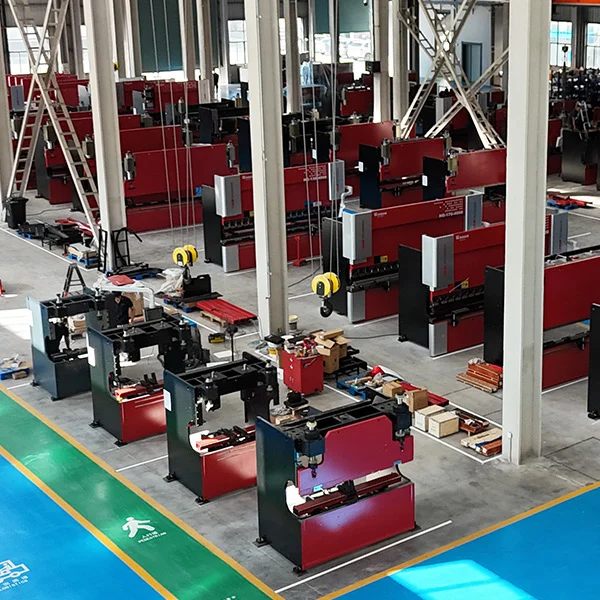
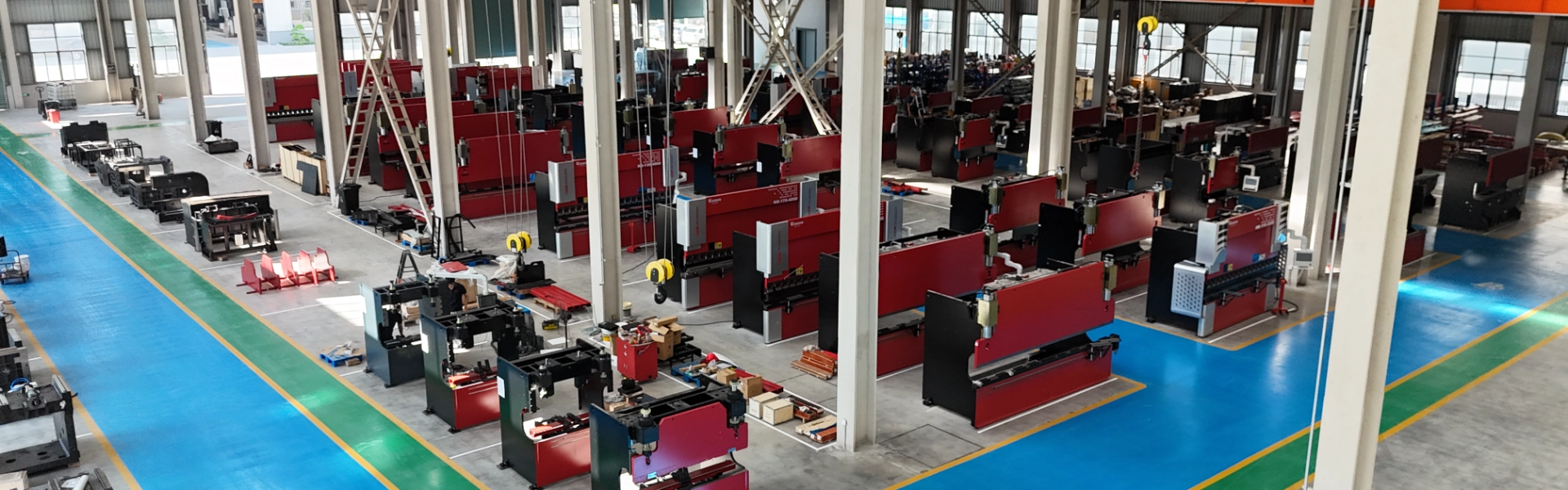
Solicita una visita guiada en vídeo en directo por la línea de producción, mostrando específicamente las máquinas CNC de taladrado utilizadas para el procesamiento de los marcos de los frenos de presión. Las empresas comerciales rara vez disponen de la maquinaria pesada necesaria para fabricar los bastidores y a menudo solo te muestran un acabado, Máquina pintada.
Para curvas simples de 90 grados, un sistema de 2 ejes (X, R) es suficiente. Sin embargo, para piezas complejas con bridas cónicas o varios pasos, un 4 ejes (X, R, Z1, Z2) o 6 ejes (X1, X2, R1, R2, Z1, Z2) El sistema es necesario para mantener la precisión sin ajuste manual.
El coronado compensa la deflexión natural del haz de la máquina bajo presión. For any machine over 2.5 meters in length, Recomendamos encarecidamente el encarecido hidráulico o hidráulico automático para asegurar que el ángulo de flexión sea constante a lo largo de toda la pieza.