





Freno de prensa eléctrico vs hidráulico: ¿Cuál es mejor para tu tienda?? (Guía 2026)
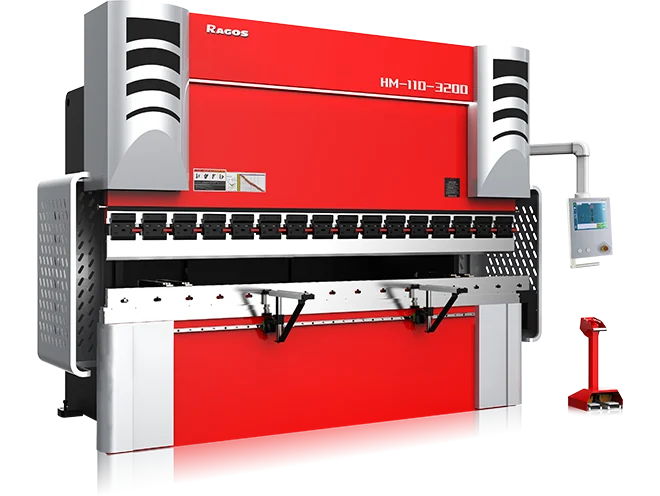
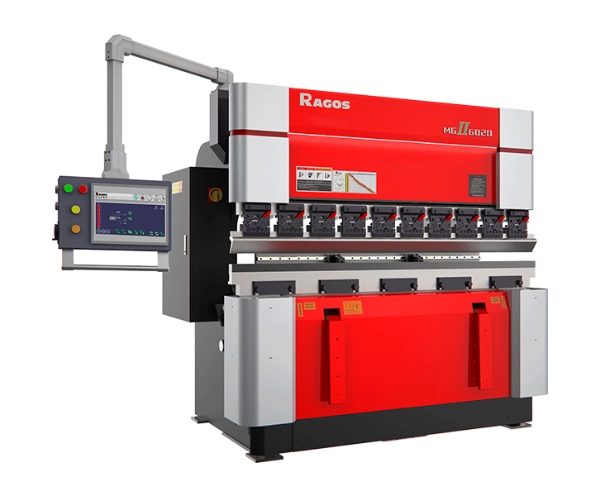
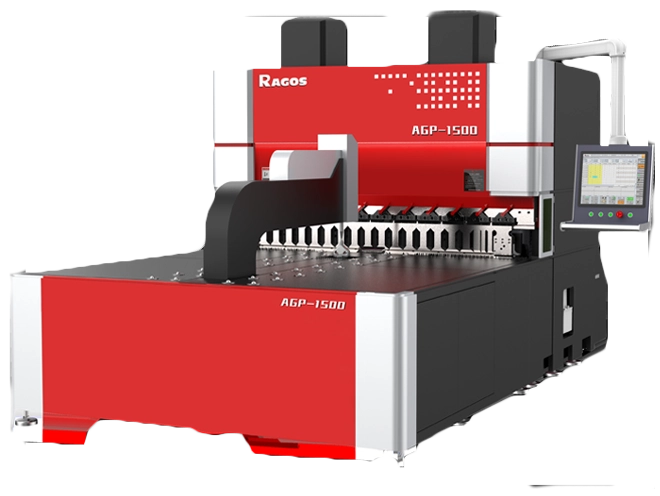
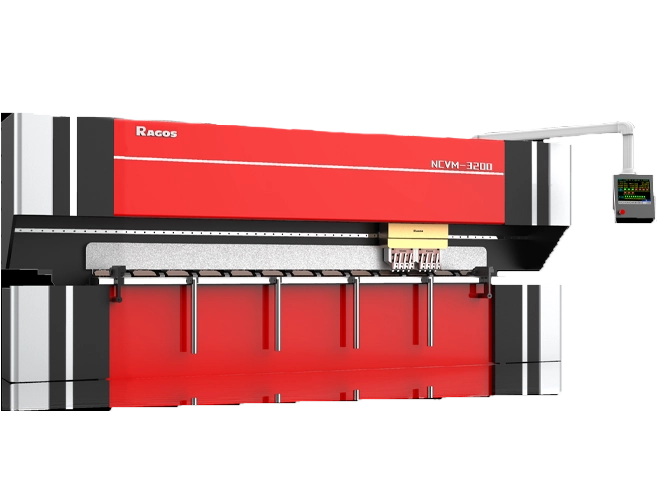
Elegir el freno de presión adecuado es una decisión fundamental para cualquier empresa de fabricación de metales. En JS Ragos, Entendemos que esta elección afecta directamente a sus costes operativos, precisión, y capacidad de producción. Tanto si estás mirando nuestra alta velocidad Prensa plegadora eléctrica O nuestro trabajo pesado Hidráulico y CNC híbrido Modelos, Comprender las diferencias mecánicas centrales es el primer paso hacia la optimización.
La diferencia central: Servo-motor vs. Potencia fluida
¿Es mejor un freno de presión eléctrico que uno hidráulico??
Mejor depende del grosor de tu material. Frenos de presión eléctricos son superiores para trabajos de precisión por debajo de 150 toneladas, ofreciendo tiempos de ciclo un 30% más rápidos y ±0.00Repetibilidad de 1 mm. Sin embargo, Frenos de prensa hidráulicos siguen siendo el estándar de oro para la fabricación de gran resistencia (más de 300 toneladas) debido a su potencia bruta inigualable y menor coste inicial.
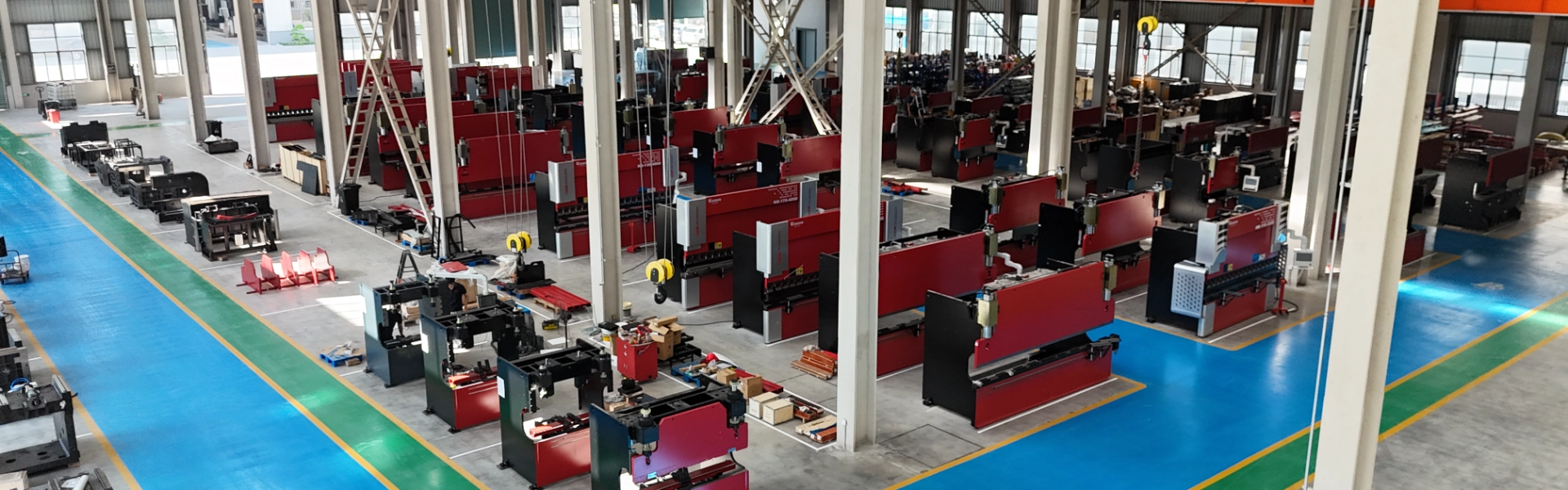
En nuestra planta de fabricación, Hemos observado que el cambio hacia lo eléctrico está impulsado por el "Bajo demanda" Principio de potencia. Las bombas hidráulicas tradicionales funcionan de forma continua para mantener la presión, incluso cuando la máquina está en ralentí. En contraste, Frenos de prensa eléctricos JS Ragos Utiliza servo-accionamientos que solo consumen energía durante la curva real.
Nuestra especialidad Freno de presión eléctrico 40 toneladas Los modelos demuestran esta eficiencia a diario, Ofrecer ciclos de alta velocidad para pequeños, piezas intrincadas que las máquinas hidráulicas simplemente no pueden igualar en cuanto a coste por pieza.
Velocidad & Rendimiento: El "Mute Point" Secreto
¿Cuánta energía ahorra un freno de presión eléctrico??
Un freno de presión eléctrico consume hasta 80% menos de energía que un modelo hidráulico tradicional. A diferencia de las bombas hidráulicas que funcionan continuamente para mantener la presión, Los servomotores eléctricos solo consumen energía durante el movimiento real de flexión. Para una máquina de 100 toneladas, esto puede suponer un ahorro anual superior a 2 dólares,500 según las tarifas energéticas de 2026.
Más allá de la energía, La ventaja real que vemos en las tiendas de clientes es la eliminación de "tiempo de descanso." Los sistemas hidráulicos requieren un momento para que la presión del fluido se acumule y las válvulas se ciclen. Modelos eléctricos JS Ragos eliminar esta latencia.
- Aproximación más rápida: Los servomotores permiten un movimiento rápido del ram.
- Flexión instantánea: No hay esperar para estabilizar la presión hidráulica.
- Retrogálidos de alta velocidad: Nuestros sistemas cuentan con X, R, y movimientos en el eje Z con velocidades de hasta 1000 mm/s para el eje Z.
Precisión y el "Primera Parte, Parte derecha" Objetivo
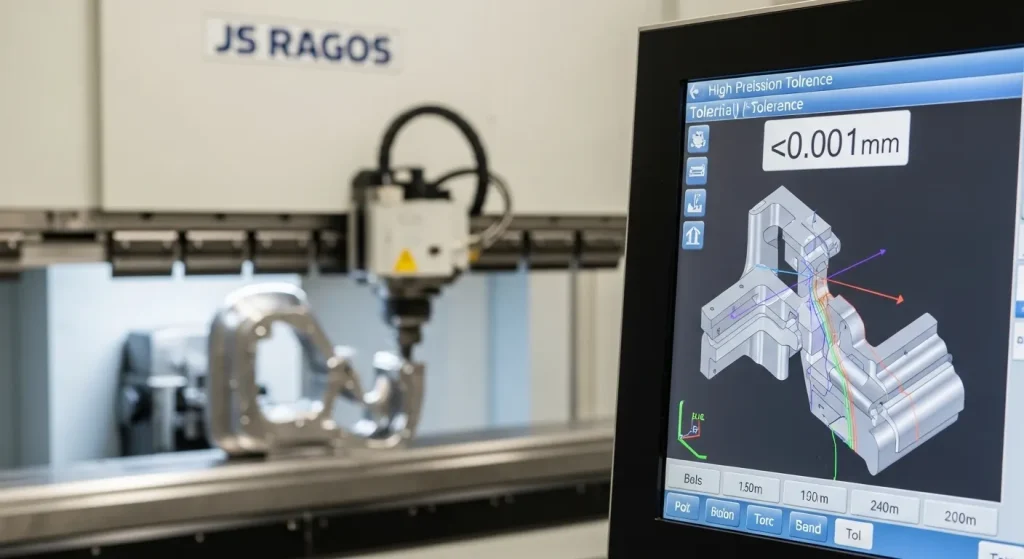
La precisión en 2026 no se trata solo de la primera curva; Es sobre el 1,000th. El aceite hidráulico es susceptible a "Deriva térmica"—cuando el aceite se calienta durante un turno, Su viscosidad cambia, lo que provoca ligeras variaciones en los ángulos de flexión.
JS Ragos aborda esto mediante el Análisis por Elementos Finitos (FEA) para optimizar nuestros frames. Sin embargo, para una precisión absoluta, Nuestros modelos eléctricos e híbridos ofrecen la plataforma más estable.
| Métrica | Freno de prensa hidráulico | Prensa plegadora eléctrica | JS Ragos CNC híbrido |
| Repetibilidad | ±0.01mm | ±0.001mm | ±0.005mm |
| Consumo energético | 100% (Línea base) | 20% - 30% | 50% - 70% |
| Hora de calentamiento | 15–30 minutos | Instantáneo | <5 minutos |
| Nivel de ruido | 75 dB | ~20 dB | ~25 dB |
La realidad del mantenimiento: Aceite vs. Electricidad
¿Cuáles son las diferencias de mantenimiento entre eléctrico e hidráulico??
Los frenos de presión eléctricos requieren aproximadamente 70% menos de mantenimiento porque eliminan el aceite hidráulico, Filtros, y fugas de sello. Los sistemas hidráulicos requieren revisiones trimestrales de fluidos y son susceptibles a "Deriva térmica," mientras que los sistemas eléctricos usan tornillos de bolas o correas estables que mantienen la precisión independientemente de las fluctuaciones de temperatura en el taller.
A menudo se lo decimos a nuestros clientes: "Si no tienes aceite, No tienes fugas." En un entorno de taller concurrido, La ausencia de filtros hidráulicos, Válvulas, Y los sellos significan menos tiempo de inactividad. Nuestro JS Ragos Las máquinas utilizan componentes de alta calidad de socios como Hiwin y TPI para guías lineales y tornillos de bolas, asegurando que el sistema mecánico de transmisión se mantenga preciso durante años con una intervención mínima.
Para quienes gestionan presupuestos más grandes, Comprendiendo el Coste del freno de prensa CNC implica pasar por alto el precio de la etiqueta y calcular estos ahorros de mantenimiento a largo plazo.
La solución híbrida 2026: Por qué conformarse?
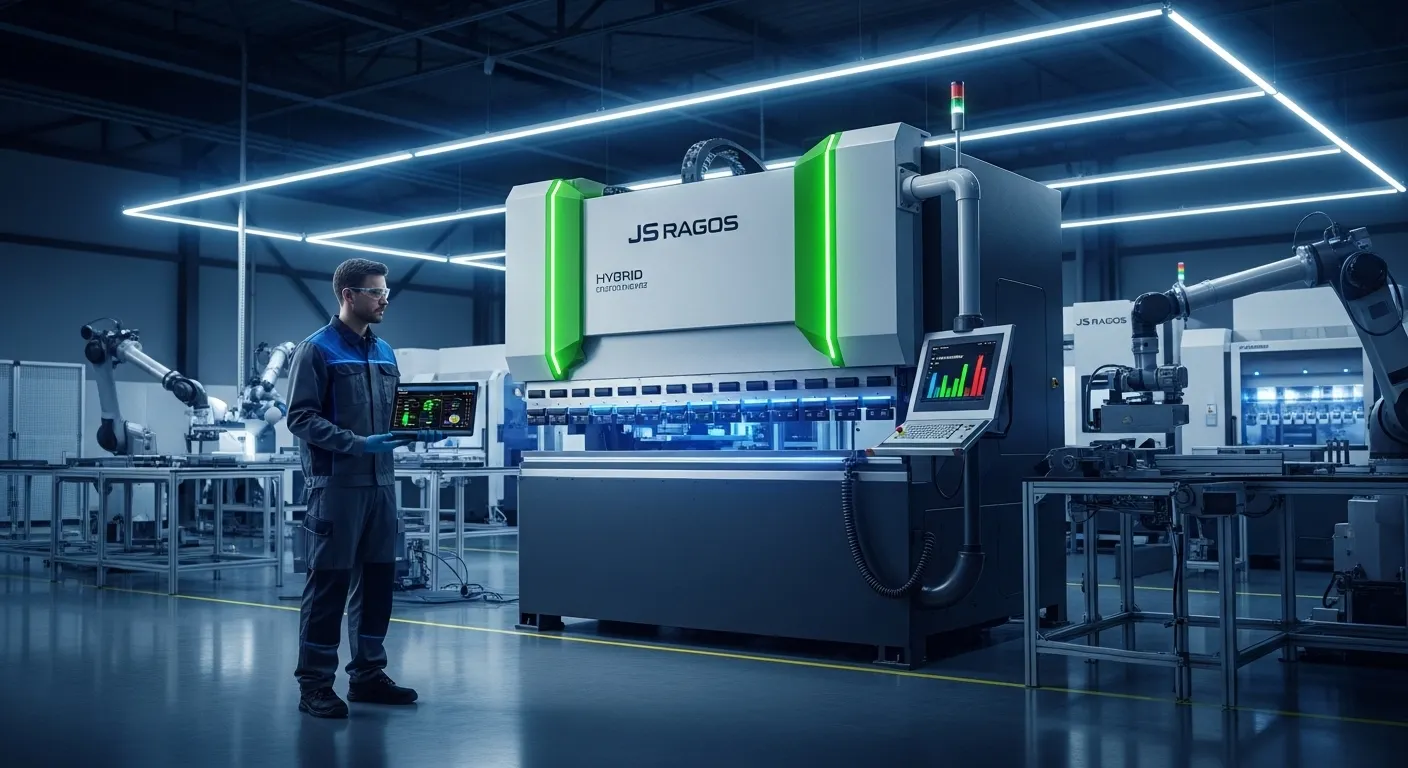
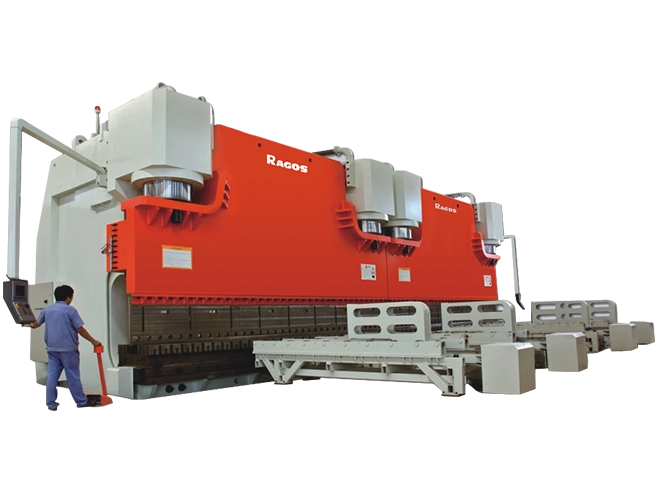
Si tu taller requiere el alto tonelaje de un sistema hidráulico (hasta 600T) pero quiere la eficiencia de un servomotor, el Freno de prensa híbrido CNC JS Ragos es la respuesta de la industria. Estas máquinas utilizan un sistema de servobomba que solo activa la hidráulica cuando es necesario.
Hemos comprobado que nuestro Modelos híbridos HG/HM aumentar la productividad en un 30% mientras reduce las facturas eléctricas hasta un 30% en comparación con las máquinas hidráulicas convencionales accionadas por motores Siemens. Esto los hace ideales para Automatización del freno de presión donde la consistencia y el ciclo de trabajo son primordiales.
Preguntas frecuentes
Para placas pesadas y acero inoxidable grueso (sobre 10mm), a Freno de prensa hidráulico o híbrido se recomienda. Estas máquinas proporcionan el alto tonelaje sostenido necesario para una deformación de gran resistencia que los modelos eléctricos más pequeños no pueden lograr.
La adaptación rara vez es rentable. El chasis de un freno de presión eléctrico está diseñado específicamente para diferentes distribuciones de carga y servomecanismos de alta velocidad. Recomendamos invertir en un modelo diseñado específicamente Utillaje & Automatización paquete en una máquina nueva para obtener el mejor retorno de inversión.
Sí, en máquinas hidráulicas tradicionales, La viscosidad del aceite cambia con la temperatura, Provocando deriva de ángulo. Los frenos de presión eléctricos son "Estabilidad térmica," es decir, proporcionan la misma precisión en la primera curva de la mañana que al final de un turno largo.
Con tornillos de bolas de alta calidad y una lubricación adecuada de guías lineales, a Freno de prensa eléctrico JS Ragos está diseñado para una vida útil superior a 15 años en un entorno de alta producción, en gran parte debido a la menor cantidad de piezas móviles y a la ausencia de desgaste hidráulico a alta presión.